

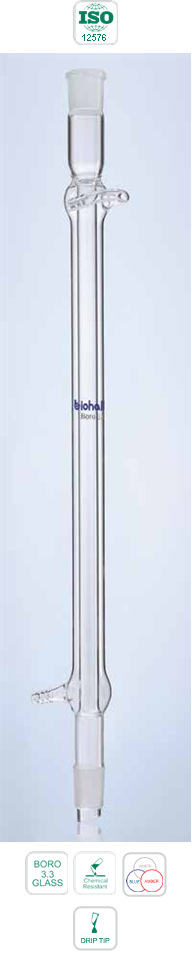

Understanding the Key Quality Parameters of Laboratory Glassware
Introduction
Selecting laboratory glassware is not merely a purchasing decision-it is a scientific responsibility. The quality of glassware influences experimental accuracy, safety, and reproducibility. Understanding the key quality parameters helps laboratories choose products that align with both technical requirements and operational goals.
Chemical Inertness and Clarity
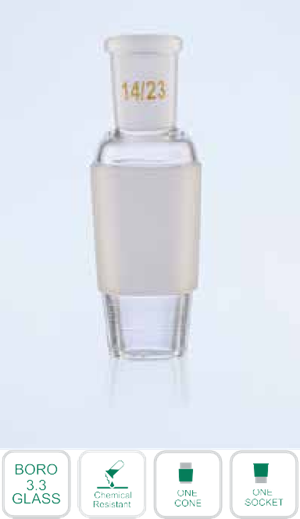
One of the most critical properties of lab glassware is chemical inertness. Glassware must not react with chemicals or release contaminants that could interfere with experiments. High optical clarity is equally important, allowing precise observation of reactions, color changes, and volumes.
Quality glassware maintains:
Chemical neutrality
Transparency for visual accuracy
Stability across diverse applications
Volumetric Accuracy
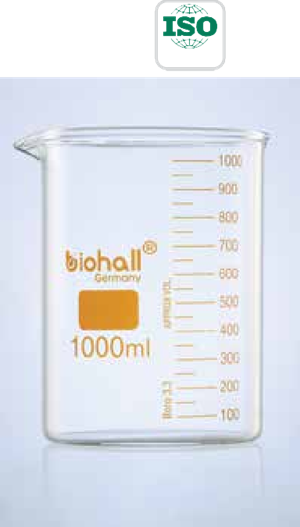
Precision is fundamental in life sciences. Volumetric glassware must meet strict calibration standards to ensure accurate measurements. Class A and Class B classifications provide flexibility based on laboratory needs.
Accurate measurements contribute to:
Reliable experimental outcomes
Reduced variability
Enhanced credibility of research data
Thermal Resistance and Shock Tolerance
Laboratory procedures often involve extreme temperature changes. Glassware must withstand direct heating, cooling, and sterilization without structural failure. High thermal resistance ensures safety and reliability during demanding procedures.
Mechanical Strength and Design
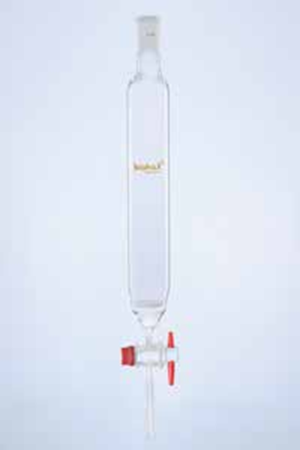
Uniform wall thickness and precision manufacturing enhance mechanical stability. This reduces the risk of breakage during handling, washing, and sterilization. Ergonomic design further improves usability and safety.
Quality Control and Certification
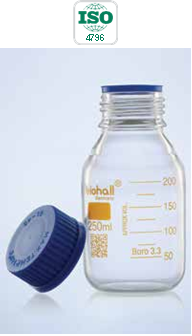
Certifications such as ISO and CE indicate adherence to international quality standards. Regular audits, testing, and process reviews ensure consistency across production batches.
Certified glassware provides:
Confidence in performance
Compliance with regulatory requirements
Assurance of long-term reliability
Wide Applicability Across Disciplines
High-quality lab glassware finds applications across molecular biology, immunology, genomics, proteomics, cell culture, and general laboratories. Versatility enhances return on investment and simplifies inventory management.
Conclusion
Understanding the quality parameters of laboratory glassware empowers laboratories to make informed decisions. By prioritizing chemical resistance, accuracy, thermal stability, mechanical strength, and certification, laboratories can ensure dependable performance while optimizing costs. High-quality glassware remains a cornerstone of scientific excellence in every laboratory setting.