


The Critical Role of High-Quality Lab Glassware in Modern Life Science Research
Introduction
In the rapidly evolving world of life science research, accuracy, reliability, and reproducibility are non-negotiable. While advanced instruments and automation often take center stage, one fundamental component remains indispensable across laboratories worldwide-laboratory glassware. From molecular biology to clinical diagnostics, the quality of lab glassware directly influences experimental outcomes, safety, and cost efficiency. Understanding its importance helps laboratories make informed decisions that support both scientific excellence and budget control.
Why Lab Glassware Still Matters
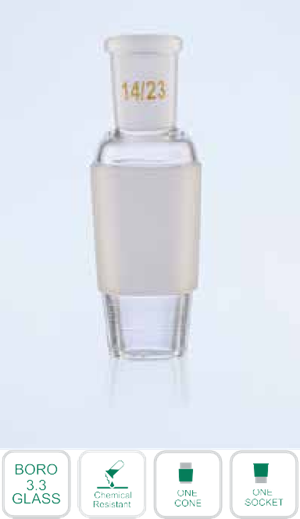
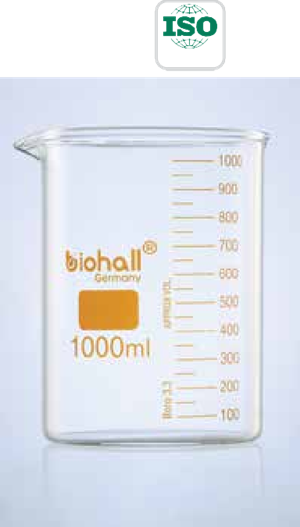
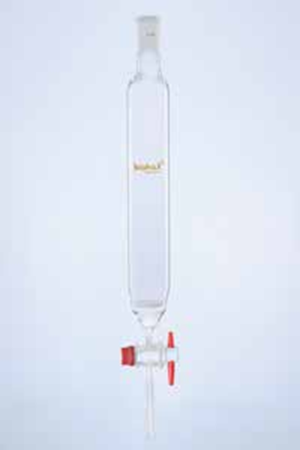
Despite the emergence of disposable plasticware, glassware continues to play a vital role in laboratories. Glass is chemically inert, highly transparent, reusable, and capable of withstanding extreme temperatures. These properties make it ideal for applications involving aggressive chemicals, heat, sterilization, and precise volume measurements.
High-quality glassware ensures:
Consistent experimental results
Reduced contamination risk
Long-term cost savings through reusability
Enhanced safety during high-temperature procedures
Inferior glassware, on the other hand, can introduce variability, breakage, chemical interactions, and inaccurate readings-leading to compromised research and increased operational costs.
Chemical Resistance: A Non-Negotiable Feature
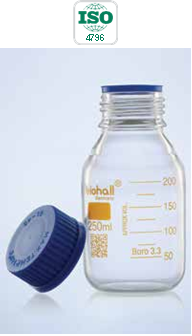
Life science laboratories routinely handle acids, alkalis, salts, and organic solvents. Glassware must exhibit high chemical resistance to prevent leaching, corrosion, or reaction with reagents. Borosilicate glass, commonly used in premium labware, offers excellent resistance to chemical attack while maintaining optical clarity.
Chemically inert glassware ensures:
Stability of reagents
Accuracy of analytical results
Longer service life of laboratory equipment
This makes it especially critical in sensitive applications such as genomics, proteomics, and pharmaceutical research.
Accuracy and Reliability in Measurements
Volumetric accuracy is at the heart of scientific research. Measuring cylinders, burettes, pipettes, and flasks must conform to strict tolerance limits to ensure reliable data. High-quality manufacturers offer Class A and Class B glassware, allowing laboratories to select products based on their precision requirements.
Class A glassware is individually calibrated and certified, ensuring maximum accuracy.
Class B glassware provides reliable performance for routine laboratory applications at a more economical cost.
Reliable measurements reduce experimental error, minimize repeat testing, and improve overall research efficiency.
Thermal Stability and Safety
Many laboratory processes involve heating, cooling, or rapid temperature changes. Glassware that cannot withstand thermal stress may crack or shatter, posing safety risks and causing loss of valuable samples.
Thermally stable glassware:
Withstands high temperatures and thermal shock
Ensures safe autoclaving and sterilization
Maintains structural integrity over repeated cycles
This reliability is essential for applications such as cell culture, sterilization, and chemical synthesis.
Mechanical Strength for Daily Lab Use
Laboratories are high-activity environments where glassware is subjected to frequent handling, washing, and sterilization. Uniform wall thickness and precise manufacturing enhance mechanical stability, reducing the risk of breakage during routine operations.
Durable glassware not only improves safety but also lowers replacement costs, contributing to long-term savings.
Cost Efficiency Without Compromising Quality
One of the biggest challenges faced by laboratories today is managing rising operational costs. Premium glassware has traditionally been associated with high prices, often straining research budgets. However, modern manufacturers are proving that high quality does not have to come at a premium cost.
By optimizing manufacturing processes and quality control systems, companies like Biohall Lifesciences provide reliable, certified labware that meets global standards while remaining economical. This enables laboratories to redirect savings toward research, innovation, and patient care.
Conclusion
Lab glassware is far more than a basic laboratory accessory-it is a foundation for scientific accuracy, safety, and efficiency. Investing in high-quality, chemically resistant, accurate, and durable glassware ensures dependable results while supporting long-term cost control. As life science research continues to advance, dependable labware remains a critical partner in driving meaningful scientific progress.